Documentary - Analysis of Chris Smith Documentary director
Documentary filmmaker Chris Smith
Who is he/What has he made?
 Chris Smith is an American director/producer and is best known for making very interesting and critically acclaimed documentaries. He's been around for a long time now with his first directorial debut being in 1996 with the American Job. However, his first documentary was made in 1999 and called American Movie, which he was awarded the Grand Jury Prize at the Sundance Film Festival.
Other documentaries that he had directed are:
- Home Movie - 2001
- The Yes Men - 2003
- Collapse - 2009/II
- Jim & Andy: The Great Beyond - 2017
- Fryre - 2019
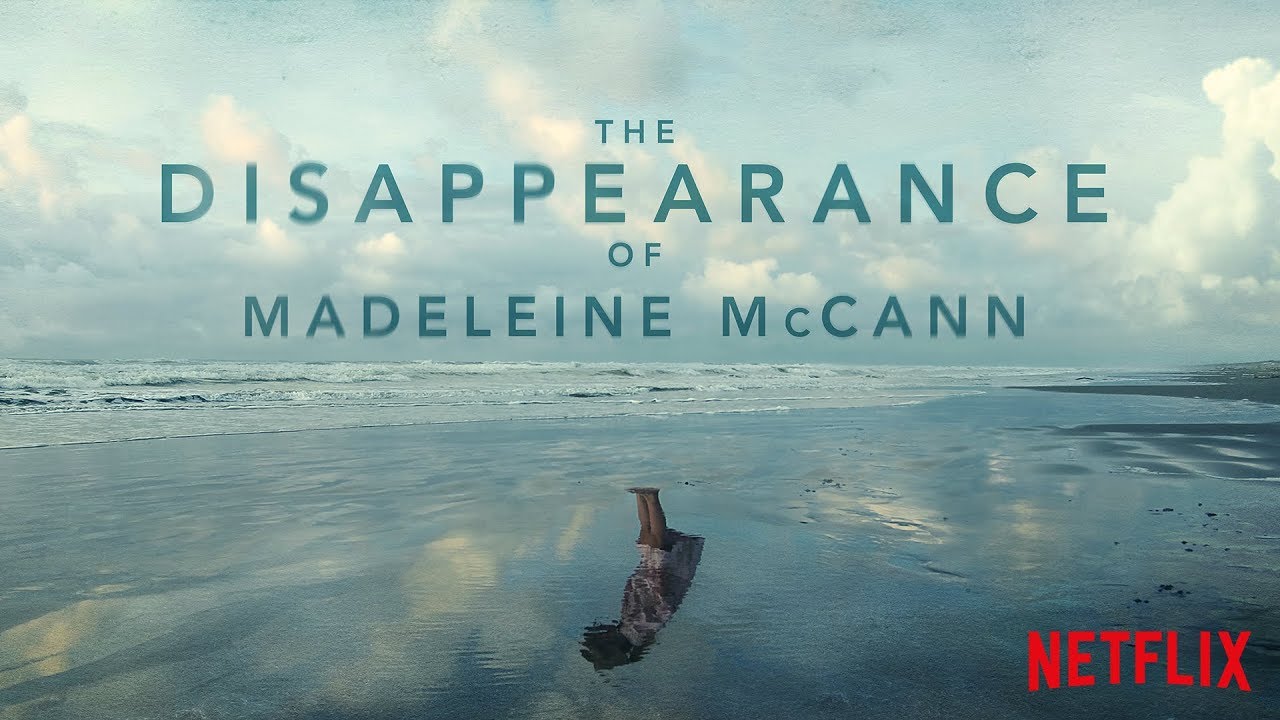
- The Disappearance of Madeleine McCann - 2019
I've watched Jim & Andy, Fyre, and I began to watch The Disappearance of Madeleine McCann but I never finished it because I found the story to be really slow and I struggled to get into the story as I've heard it so many time. However, Jim and Andy: The Great Beyond is one of my favourite documentaries I've watched as it shows us what people are like behind the scenes of a feature film and it also shows us a different side to Jim Carrey.

How does he use the camera to tell his story?
The way he uses the camera is not a big shock for his types of documentaries because Chris is known for using found footage of the event as it's happening. He uses this technique a lot in his most recent documentaries like Jim & Andy, Fyre, and Madeleine McCann. However, in these documentaries, there is no narration over the top. What he does is he interviews people that were there whilst the event was unfolding in the real-time and uses their answers to cut around the old footage. This method is really good because it helps something that would be difficult to follow easy to understand. He normally frames the interviews with the subject in the centre of the frame like in Jim & Andy. He has Jim look directly into the camera, which gives the sense that he's talking directly at us (the audicence). I really like this technique of having the subject tell the story through their interviews, however, becasuse we are talking about such a wide subject this probably wouldn't work aswell. This is why we are going to have a narrator because the audience won't understand the story we are going to tell.
 |
| Image from Jim & Andy |
How does he edit his films?
I noticed when watching his films that he uses a lot of cuts between real-time and old footage, this type of cutting around helped the story develop into a full narrative. Especially with Jim & Andy, the film felt like it had a 3 act structure. With this type of structure in the edit helped with showing the change in everyone's attitudes because at the beginning they're all excited to start filming with Jim Carrey, towards the middle you can see they're starting to get annoyed with everything he's doing. By the end of the documentary, everyone is just so annoyed by everything he's done that the whole world just thinks he's a bad guy, but it worked as Man on the Moon won a few awards. Due to the film having a 3 act strucutre the pacing never felt bad, everything felt as if it went smoothly throughout the whole film.
This is what we need in our documentary we need the pacing to be nice and smooth throughout the entire documentary. The way to do this is by including the interviews with the cutaways so the audicne dont get bored with just watching someone talk constantly.


Comments
Post a Comment